Interview: Trophy Games CEO Søren Gleie on 20 years of mobile game development, the role of AI, and dream projects
Trophy Games: Living up to its name

Founded in 2006, Trophy Games has spent two decades establishing itself as a recognised name in mobile gaming, putting its own unique stamp on the management simulation genre with the release of its debut football management sim, Trophy Manager.
And, while Trophy Games would later return to football management with Pro 11 and Women's Soccer Manager, its ambitions didn't stop at the beautiful game.
Its subsequent ventures into the world of transport has laid new ground for success, with Truck Manager becoming a particular fan favourite. Packed with the appeal of expanding your workforce, keeping pace with the competition and strategising to keep the profits ticking over, it's another example of Trophy Games' knack for developing deep management experiences traditionally associated with PC and browser-based gaming.
So, what's next for the studio? Well, we caught up with Søren Gleie, CEO of Trophy Games, to find out what the future holds for the developer. As a little teaser, the possibilities could span new ventures in fishing, airport management and theme parks, as well as the less explored but fertile (excuse the pun) world of horse breeding.

Søren Gleie, CEO of Trophy Games. Photo provided courtesy of Trophy Games.
Could you tell us a bit about yourself and how you first got into the games industry?
I have always made games, including non-computer games, with my childhood friend Niklas.We eventually decided to make a football game, bicycled to the library to borrow books about programming, and went on to create Trophy Games in 2006, starting with our original browser-based title, Trophy Manager.
This has been my first and only games industry experience. Over the past two decades, Trophy Games has grown into a publicly traded studio on Nasdaq First North Copenhagen, expanding our focus onto mobile and PC live-service games while reaching over 100 million total installs.
Trophy Games celebrated its 20th anniversary this year, which is a remarkable achievement. What have been some of the biggest challenges along the way, and which personal achievements are you most proud of?
The first ten years of Trophy Games history we were balancing on bankruptcy every month while at the same time putting out fires both in game code and server setup. I don’t miss that period. On the achievement side, I am immensely proud of reaching our 20-year milestone and growing the company every single year since 2006.On top of that, a key testament to our strong culture is that our first 5 employees are still with us today as we continue to find our space, learn new things, and constantly strive to improve.
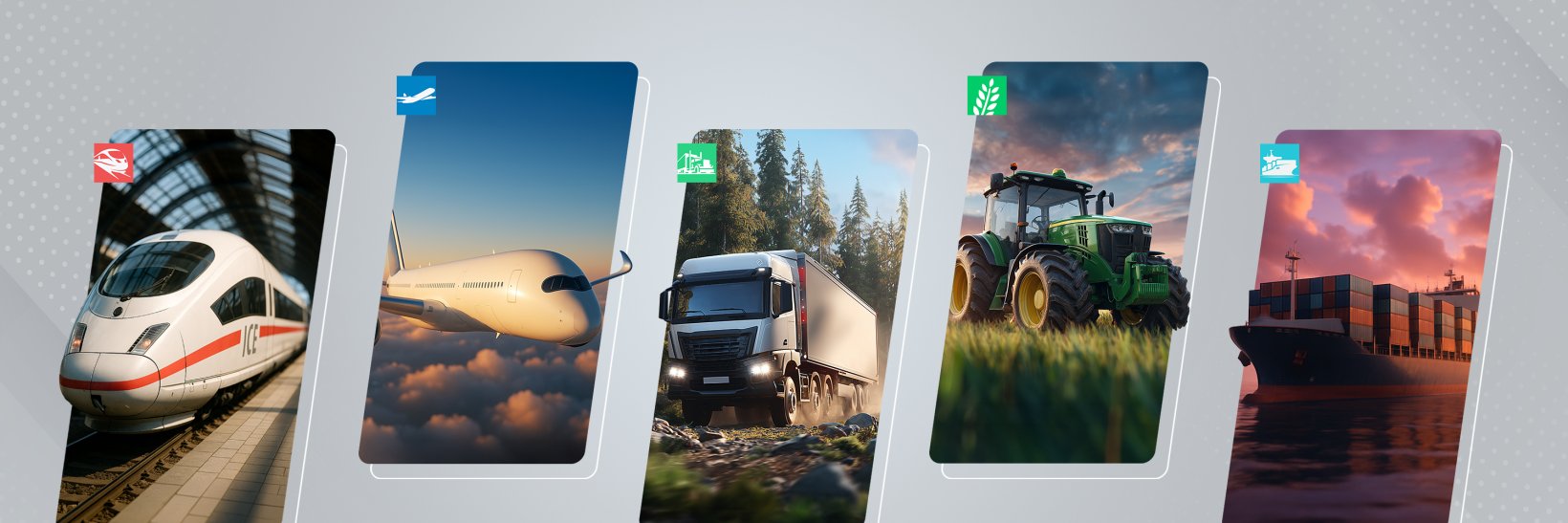
Your portfolio of management games spans trucking, railways, aviation, farming, energy and shipping. Are there other industries you’d like to explore next?
We are always exploring new offline passions and real-world simulation themes where we can apply our proven Transport series framework. Most recently, we launched Space Manager, and we are currently exploring concepts around horse breeding and fishing simulation games.Additionally, with our acquisition of Playrion, we aim to use titles like Airport Simulator as a foundation for a new series of tycoon simulation games; it could go towards hospitals, pets, theme parks or something entirely different.

Vehicle management sims usually tend to dominate the mobile space, yet Truck Manager and Farm Manager have both found particular appeal as management titles. What do you think has been the key to their success?
I think there’s a good market for less action-packed games with shorter sessions. Many adults are passionate about games but struggle to find the time to dedicate to it. So instead, being able to build something and be good at it within 10 minute sessions is a nice compromise. The key for us lies in offering deep, authentic real-world simulation mechanics combined with an accessible free-to-play live-service structure on mobile and PC.With AI tools increasingly being used in game development, where do you see the greatest opportunities for it with a studio like Trophy Games, and what potential pitfalls do you think developers need to be wary of?
What we see now is a huge influx of casual and hypercasual games. A sort of revival. For Trophy Games, the impact is an increased focus on longevity and, as a consequence, higher lifetime value that will allow our performance marketing to stay ahead of the competition. AI presents huge opportunities in streamlining content creation, reducing development timelines, and enabling us to efficiently iterate and scale our modular game structures across new genres.However, the main pitfall is that AI accelerates whatever strategy you give it — it amplifies good execution but won’t save a weak concept, so developers must remain focused on clear target audiences and strong game design, rather than relying on AI to fix underlying product issues.
Looking ahead, where do you see Trophy Games in the next five years, and what would you most like the studio to achieve during that time?
Hopefully we will be able to celebrate 25 years of consecutive growth. I see Trophy Games continuing to consolidate its position as a leading global developer and publisher of free-to-play simulation and management games. I would love to see us successfully expand our formula into new tycoon genres, continue executing strategic mergers & acquisitions to revitalize acquired titles, and deliver strong profits while keeping millions of players engaged across our portfolio.If budget and development time were no object, what would your dream project look like?
If budget and development time were unlimited, my dream project would be an ultra-detailed, interconnected global logistics and management ecosystem. It would seamlessly combine air, land, sea, and space transportation networks with deep economic simulation, allowing playersto build and manage multi-modal global transport empires with real-time multiplayer dynamics, like co-op or competition.